Memorize Poker Hand Strengths for No-Limit Hold’em 2026
Master NLHE: How to Quickly Memorize Poker Hand Strengths for No-Limit Hold’em 2026
Quick Summary
To succeed in the 2026 No-Limit Hold’em landscape, you must move beyond basic hand rankings. This guide provides a complete framework for how to quickly memorize poker hand strengths for No-Limit Hold’em 2026 by focusing on three core pillars: mastering the absolute rankings, internalizing dynamic relative hand strength, and leveraging modern GTO and AI training tools. We’ll explore board texture, position, player tendencies, and the advanced concepts that separate amateurs from pros, ensuring you develop an intuitive and profitable understanding of your hand’s true value in any situation.
Overview: Beyond Simple Memorization for 2026
The question of how to quickly memorize poker hand strengths for No-Limit Hold’em 2026 has evolved significantly. In today’s game, simply knowing a flush beats a straight is table stakes. The modern poker ecosystem, shaped by Game Theory Optimal (GTO) solvers and a global player pool that learns at an accelerated rate, demands a more nuanced, situational awareness. True mastery isn’t about rote memorization; it’s about internalizing the fluid concept of relative hand strength. A strong hand on one board can be a weak hand on another. This guide is your definitive resource for building that intuition, transforming your understanding from a static list into a dynamic decision-making tool that will dominate the tables of 2026 and beyond.
| Concept | Description |
|---|---|
| Absolute Hand Ranking | The foundational hierarchy from Royal Flush to High Card. This is the non-negotiable first step. |
| Relative Hand Strength | The true value of your hand based on board texture, position, number of opponents, and betting action. This is the key to advanced play. |
| Positional Awareness | Understanding that a hand’s playability and strength change dramatically based on your position relative to the dealer button. |
| GTO & AI Tools | The modern ‘shortcut’ to learning. GTO charts and AI trainers provide a baseline for optimal play and accelerate the learning curve. |
This comprehensive approach is crucial for anyone serious about learning how to quickly memorize poker hand strengths for No-Limit Hold’em 2026, as it provides a roadmap from foundational knowledge to expert application.
How to Play: Mastering Hand Recognition & Value
Transitioning from a novice to a feared regular involves a structured learning process. Don’t just memorize; understand the ‘why’ behind each hand’s value. This section breaks down the learning process into actionable steps.
Step 1: The Unbreakable Foundation – Absolute Hand Rankings
Before you can run, you must walk. This hierarchy is absolute and based on the mathematical probability of making each hand with five cards. Burn this into your memory.
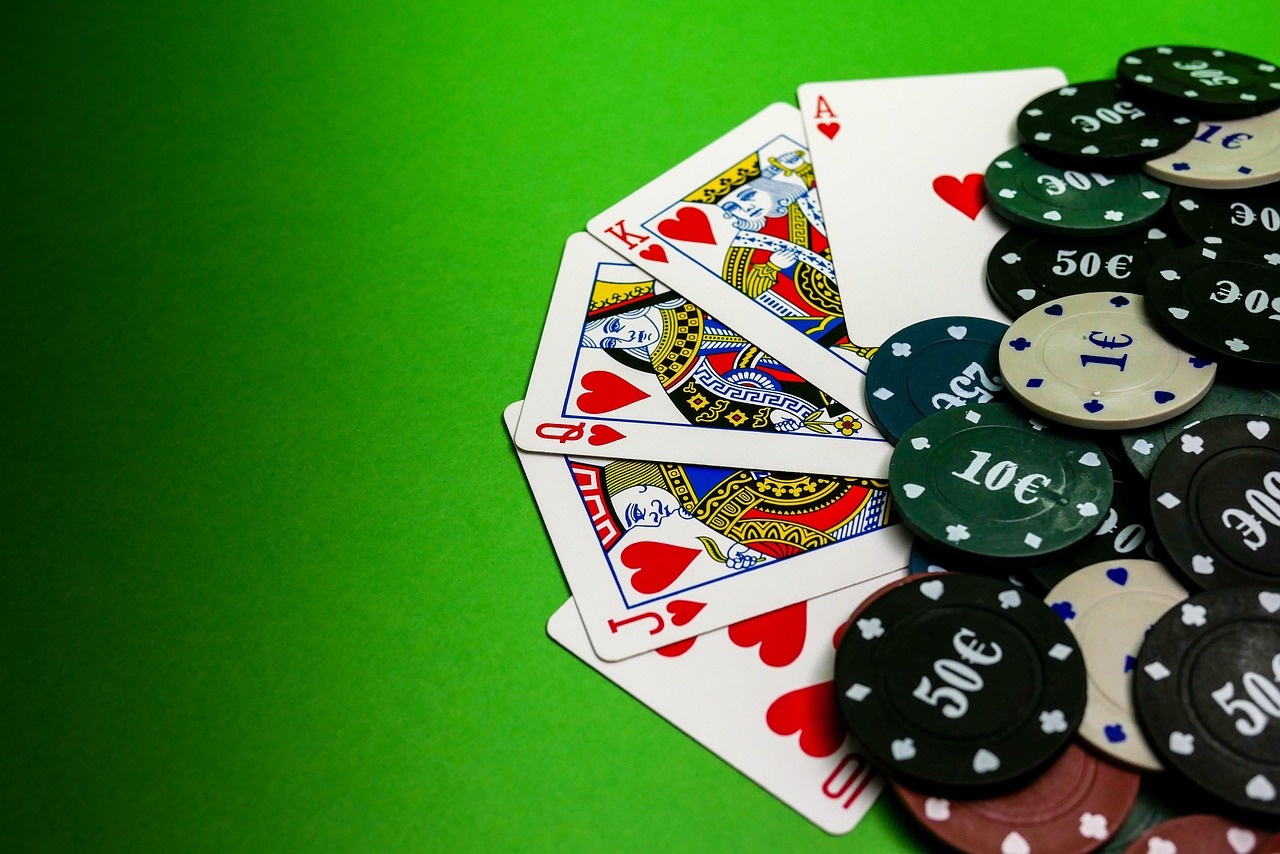
- Royal Flush: A-K-Q-J-10 of the same suit. The unbeatable hand.
- Straight Flush: Five sequential cards of the same suit (e.g., 8-7-6-5-4 of spades).
- Four of a Kind (Quads): Four cards of the same rank (e.g., K-K-K-K).
- Full House (Boat): Three cards of one rank and two cards of another (e.g., A-A-A-5-5).
- Flush: Any five cards of the same suit, not in sequence.
- Straight: Five sequential cards of different suits (e.g., 9-8-7-6-5).
- Three of a Kind (Set or Trips): Three cards of the same rank (e.g., 7-7-7).
- Two Pair: Two pairs of different ranks (e.g., J-J-4-4).
- One Pair: Two cards of the same rank (e.g., Q-Q).
- High Card: When no other hand is made, the highest card plays.
Quick Memorization Mnemonic: Think of a powerful story: “Royal Soldiers Fought For Freedom, Standing Together To Overcome Hardship.” (Royal, Straight Flush, 4 of a Kind, Full House, Flush, Straight, 3 of a Kind, Two Pair, One Pair, High Card). Also, never forget the kicker. If you have A-K and your opponent has A-Q on a board of A-8-5-2-9, you both have a pair of aces, but your King kicker beats their Queen.
Step 2: Context is King – Understanding Relative Hand Strength
This is where the real game begins. The absolute rank of your hand is only a starting point. Its true strength is relative to many factors:
- Board Texture: A ‘dry’ board like K♠ 7♦ 2♣ makes a hand like A-K (top pair, top kicker) extremely strong. A ‘wet’ board like J♥ T♥ 9♠ makes the same A-K hand very vulnerable to straights and flushes. ‘Dynamic’ boards are those where the turn or river card can dramatically change the nuts (the best possible hand).
- Player Position: Your position dictates the range of hands you can profitably play. A hand like K-J offsuit is a weak open in an early position but a standard raise from the button. Being in position (acting last) is a massive advantage, as you have more information.
- Number of Opponents & Action: A pair of Queens is a monster heads-up. Against five opponents who all called a raise, it’s a good but highly vulnerable hand. The more players in a pot, the stronger a hand you’ll need to win at showdown. The pre-flop action (e.g., raise and a 3-bet) also narrows opponents’ likely holdings, changing your hand’s relative value.
Step 3: Pre-Flop Power Tiers – Organizing Your Starting Hands
Trying to evaluate all 169 possible starting hand combinations is overwhelming. Instead, group them into tiers to simplify your pre-flop decisions. This is a foundational element in learning how to quickly memorize poker hand strengths for No-Limit Hold’em 2026.
- Tier 1 (Monsters): AA, KK, QQ, AKs. Play these aggressively for maximum value.
- Tier 2 (Premium): JJ, TT, AQs, AJs, KQs, AKo. Very strong hands that should almost always be played with a raise.
- Tier 3 (High Potential): 99-77, A-Ts through A-2s, KJs, QJs, JTs. These hands have good potential to flop strong draws or pairs, especially in position.
- Tier 4 (Speculative & Situational): 66-22 (for set-mining), suited connectors (87s, 76s), suited gappers (97s). These hands need the right price and position to be played profitably.
Bonus Features: Advanced Concepts for the 2026 Player
To truly excel, you must embrace the tools and concepts that define modern, high-level poker. These ‘bonus features’ are what separate the best from the rest and are integral to a deep understanding of hand strength.
Leveraging GTO (Game Theory Optimal) Principles
Game Theory Optimal, or GTO, represents a mathematically balanced, un-exploitable way to play poker. While no human can play perfect GTO, understanding its principles is mandatory. For our purposes, GTO provides pre-flop range charts. These charts are the modern answer to memorization. They tell you exactly which hands to play from which position to maintain a balanced strategy. Studying and drilling these ranges with a training app is the most efficient way to build a solid foundation, directly addressing the challenge of how to quickly memorize poker hand strengths for No-Limit Hold’em 2026 from a strategic, pre-flop perspective.
Blockers and Card Removal Effects
This is a more advanced but crucial concept. The cards you hold in your hand (your ‘blockers’) remove them from the deck, making it impossible for your opponent to hold them. For example, if you hold the A♠ on a board with three spades, you know your opponent cannot have the nut flush. This information is powerful. It can turn a marginal hand into a profitable bluff or a good hand into a confident value bet. Understanding blockers fundamentally alters the relative strength of your hand and your opponent’s likely range of hands.
The Rise of AI-Powered Poker Training
The 2026 poker landscape is defined by accessibility to powerful learning tools. AI-driven software and apps can analyze your hand histories, identify leaks in your strategy, and drill you in specific spots. These tools compare your decisions against a GTO model, providing instant feedback and explaining the ‘why’ behind the optimal play. Engaging with these AI coaches is like having a world-class player available 24/7, dramatically shortening the time it takes to move from basic memorization to a deep, intuitive grasp of hand strength in all situations.
RTP & Volatility: Managing Your Bankroll with Equity and Variance
In poker, the concepts of Return to Player (RTP) and Volatility are known as Expected Value (EV) and Variance. Understanding them is key to long-term success and managing the psychological and financial swings of the game.
Understanding Pot Equity: Your Hand’s True Share of the Pot
Pot Equity is the percentage of the time you will win the pot if the hand were run to showdown millions of times. It’s the mathematical representation of your hand’s strength at any given moment. For example, if you have a coin flip situation (like A-K vs Q-Q pre-flop), you both have roughly 50% equity. If you have a flush draw on the flop with one card to come, you have roughly 35% equity. Making decisions that are ‘positive expected value’ (+EV) means making plays where your equity is greater than the price you have to pay to continue. This is the core of profitable poker and is directly tied to correctly assessing your hand’s strength.
Taming Variance: The Ups and Downs of Poker
Variance is the statistical reality that even when you make the right decision, you can still lose. You can get your money in with 80% equity and lose five times in a row. This is variance, and it’s a natural part of the game. A weak understanding of hand strength leads to poor decisions, which are then blamed on ‘bad luck’ or variance. A strong, situational understanding of hand strength allows you to consistently make +EV plays. Over the long run, these profitable decisions will overcome the short-term swings of variance, leading to a positive win rate. Proper bankroll management is the shield that allows you to survive variance long enough for your skill edge to prevail.
FAQ: Your Questions Answered
Q: What is the absolute fastest way to learn the poker hand rankings?
Q: Why is my pair of Aces not always the best hand after the flop?
Q: Do I need to be a math genius to understand poker hand strengths in 2026?
Q: How does GTO change how I should think about my hand’s strength?
What Readers Are Saying
Thanks for the detailed breakdown. The live dealer experience here is top-notch. Streamed perfectly with no lag. 4 stars — very good overall.
Good stuff here. Finally a guide that explains side bets clearly. Very helpful for beginners. Worth your time for sure.
This was super helpful. Switched to this platform after reading the review. The dealers are very professional. Top-tier content.
Really enjoyed reading this. Baccarat odds are well explained. I've been using this strategy for two weeks now. 4 stars — very good overall.